
Wilpattu National Park
An extensive northwestern national park known for natural villu wetlands, remote dry-zone forest, and habitat for leopards, sloth bears, elephants, and birds.
At a glance
Plan your park visit
Check access, park conditions, and current entry guidance before arranging a visit.
Travel distance
Access difficulty
Best wildlife conditions
Park entry
Overview
Wilpattu National Park protects an extensive dry-zone landscape on the island's northwest coast. Its large, forested setting and long internal tracks create a comparatively remote safari experience, but current access, route conditions, and wildlife sightings vary.
The defining feature of Wilpattu is its "villus" - natural sand-rimmed lakes that fill with rainwater. Villus and tanks are scattered across the park, creating important seasonal water sources for wildlife. These wetlands, together with forest, scrub, grassland, and coastal habitat, give Wilpattu a landscape that differs from many other safari areas.
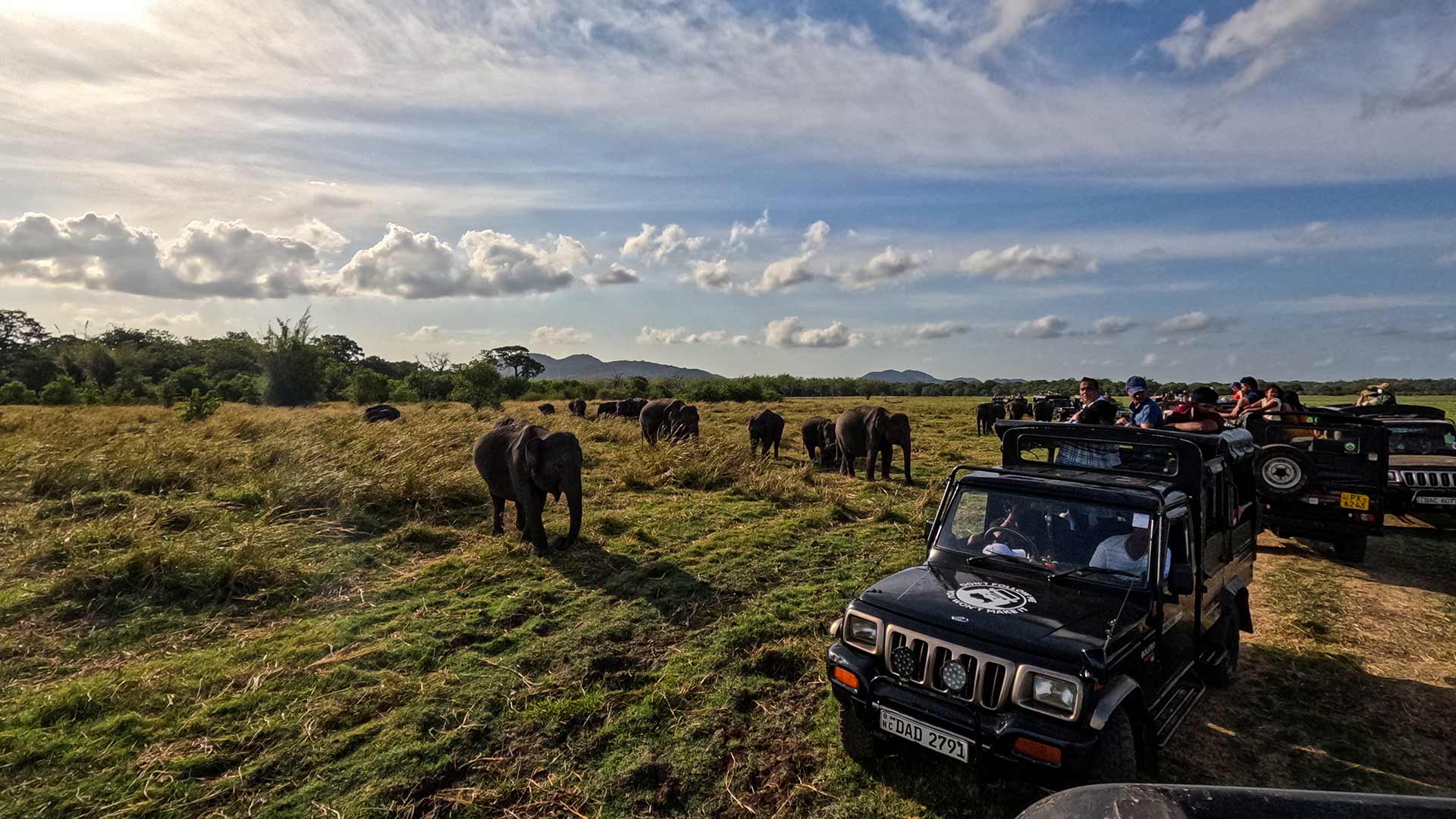
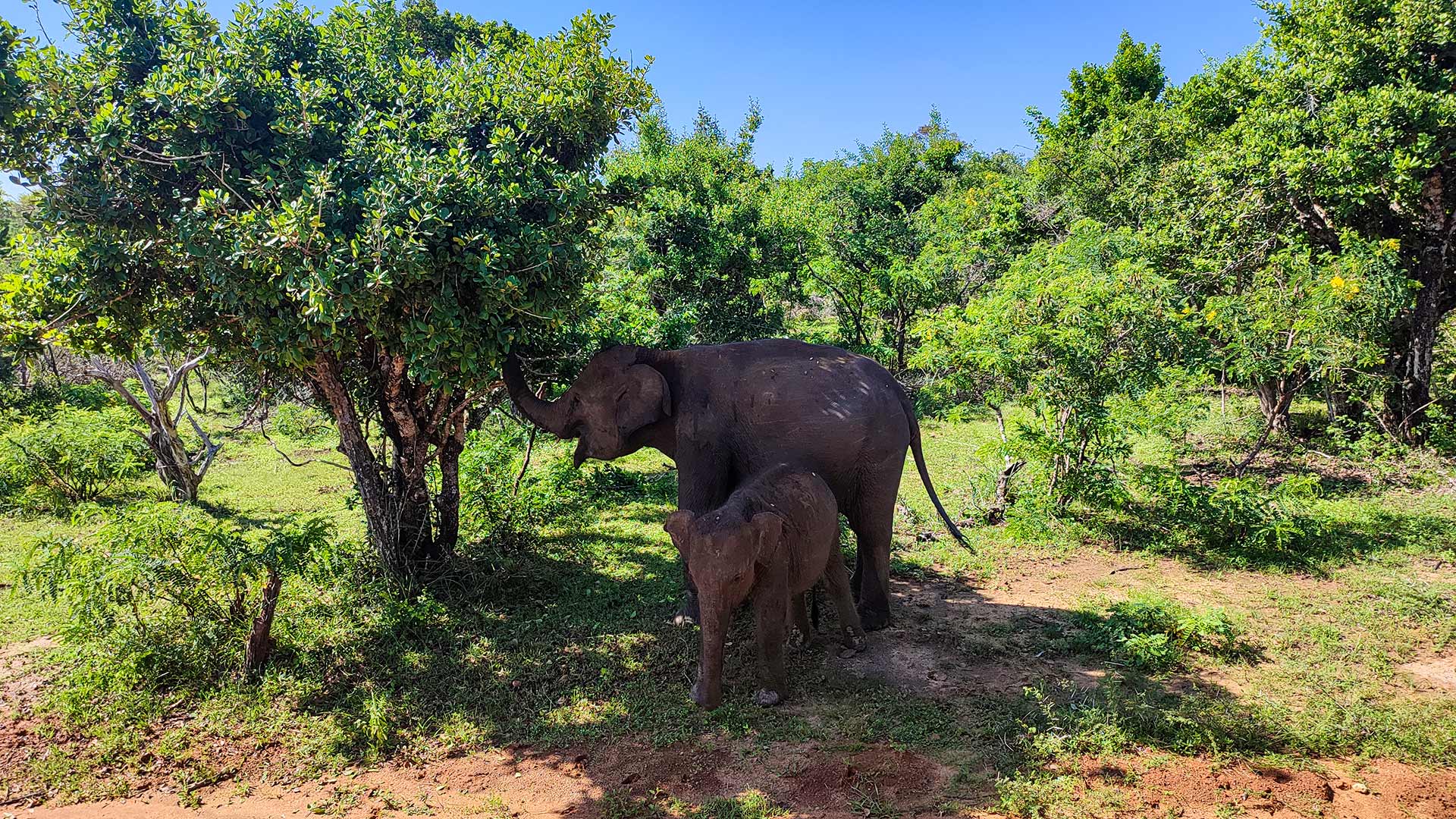
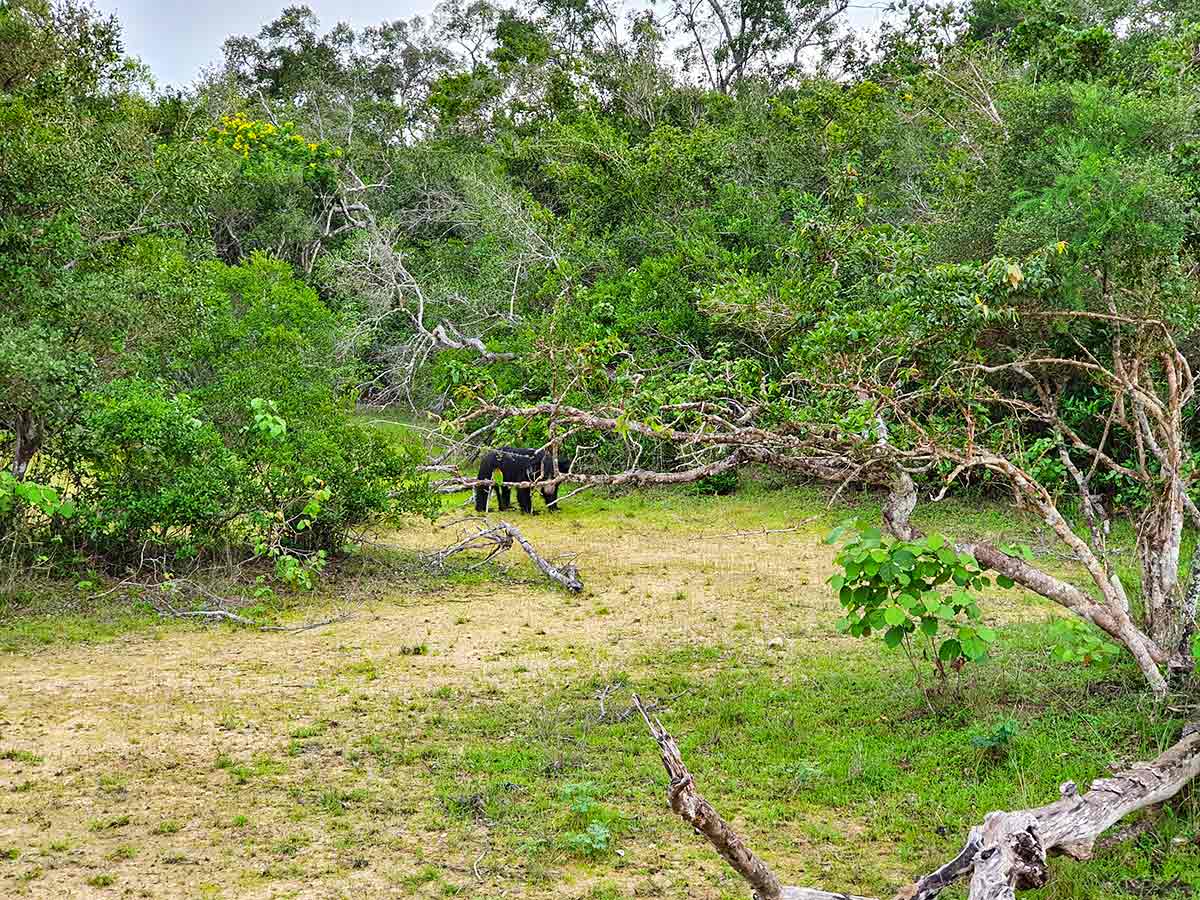
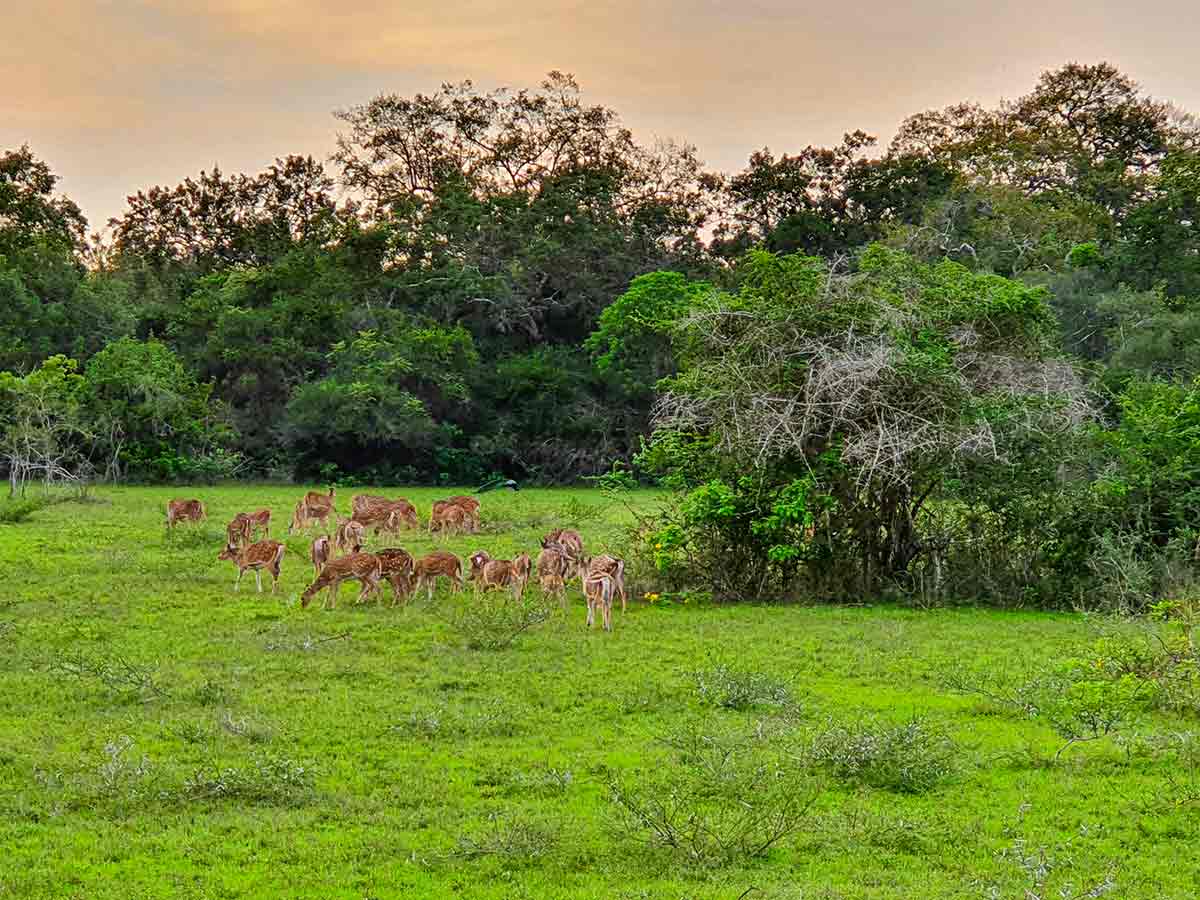
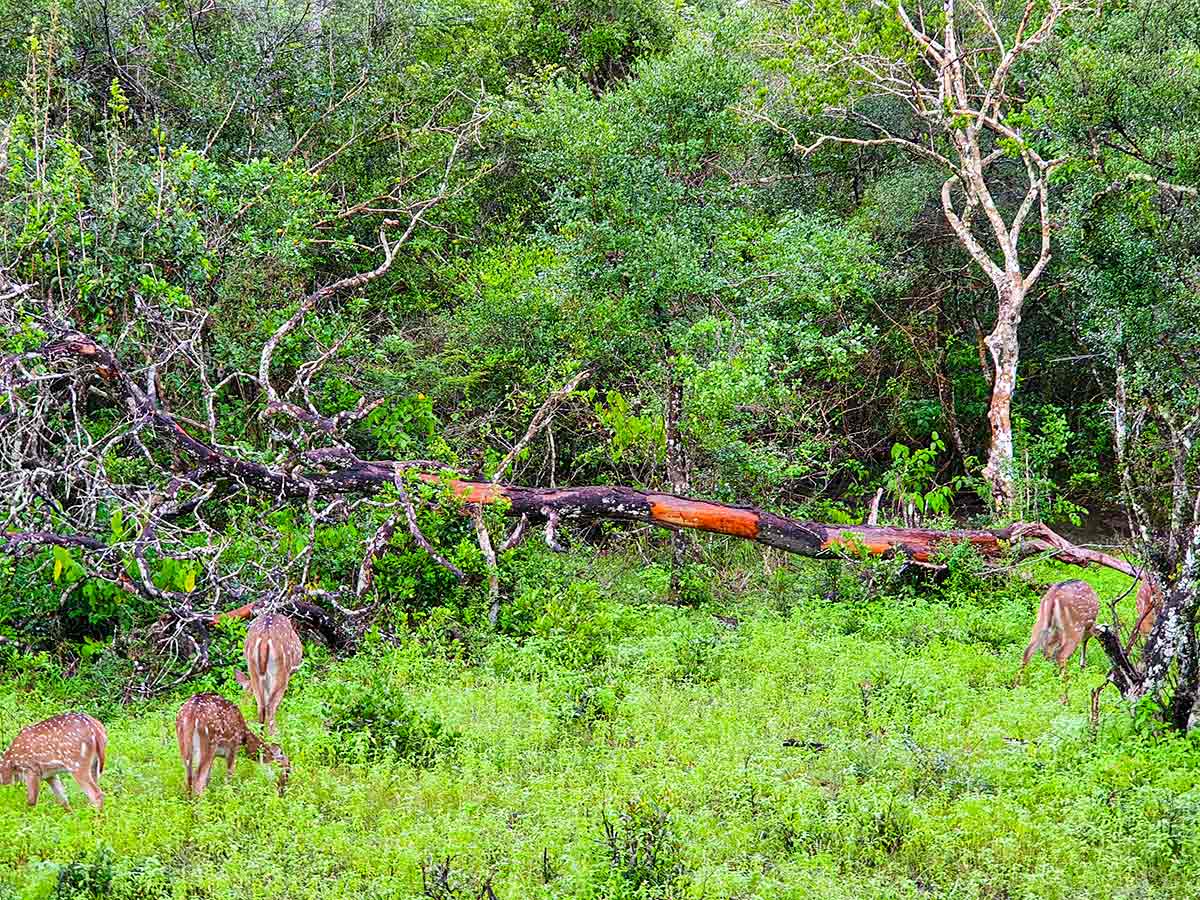
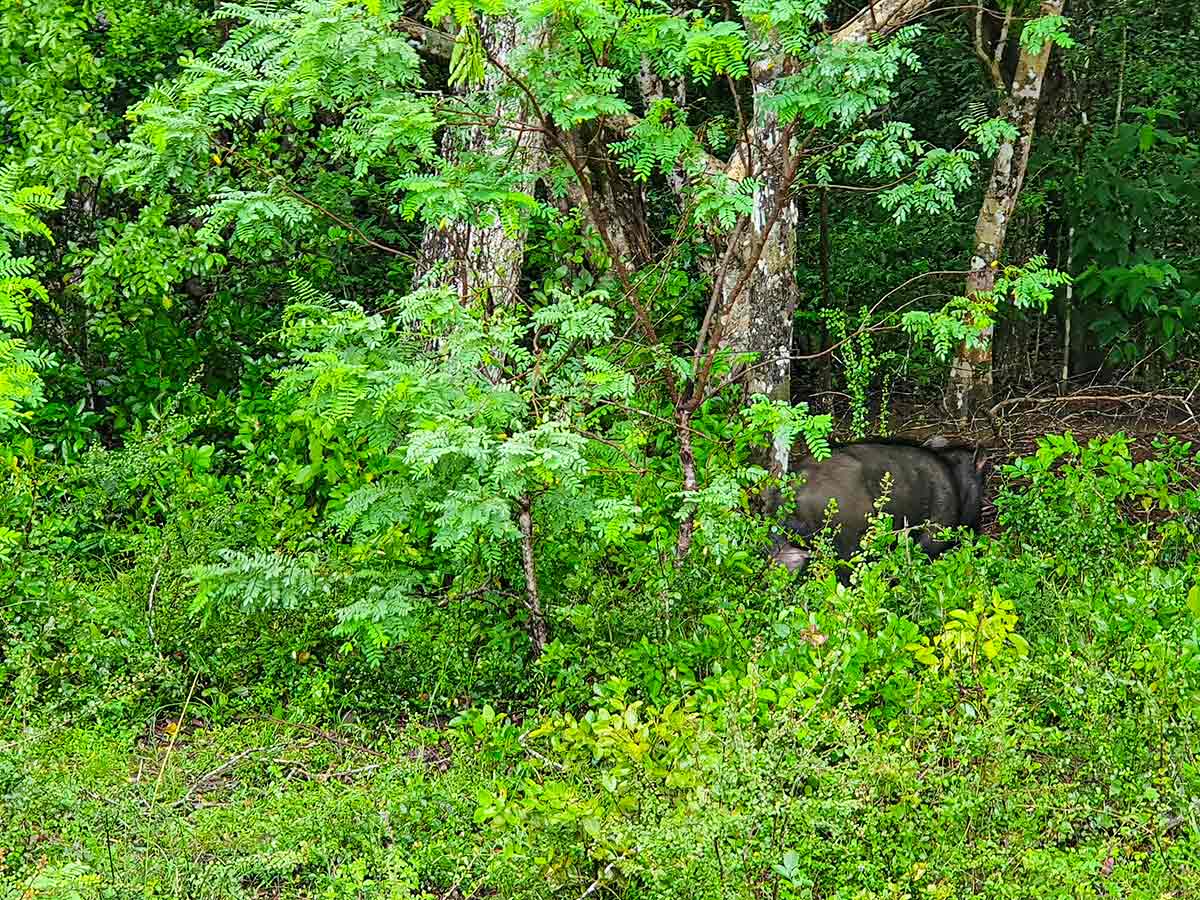
The park supports a rich diversity of wildlife, including Sri Lankan elephants, sloth bears, water buffalo, spotted deer, and leopards. Much of the route passes through dense forest, so sightings can be brief or difficult even when wildlife is present. No particular species can be guaranteed on a safari.
The wider Wilpattu landscape also contains archaeological and historical places. Visitors should rely on park interpretation and responsible guides for the context of individual sites rather than treating a wildlife drive as an archaeological tour.
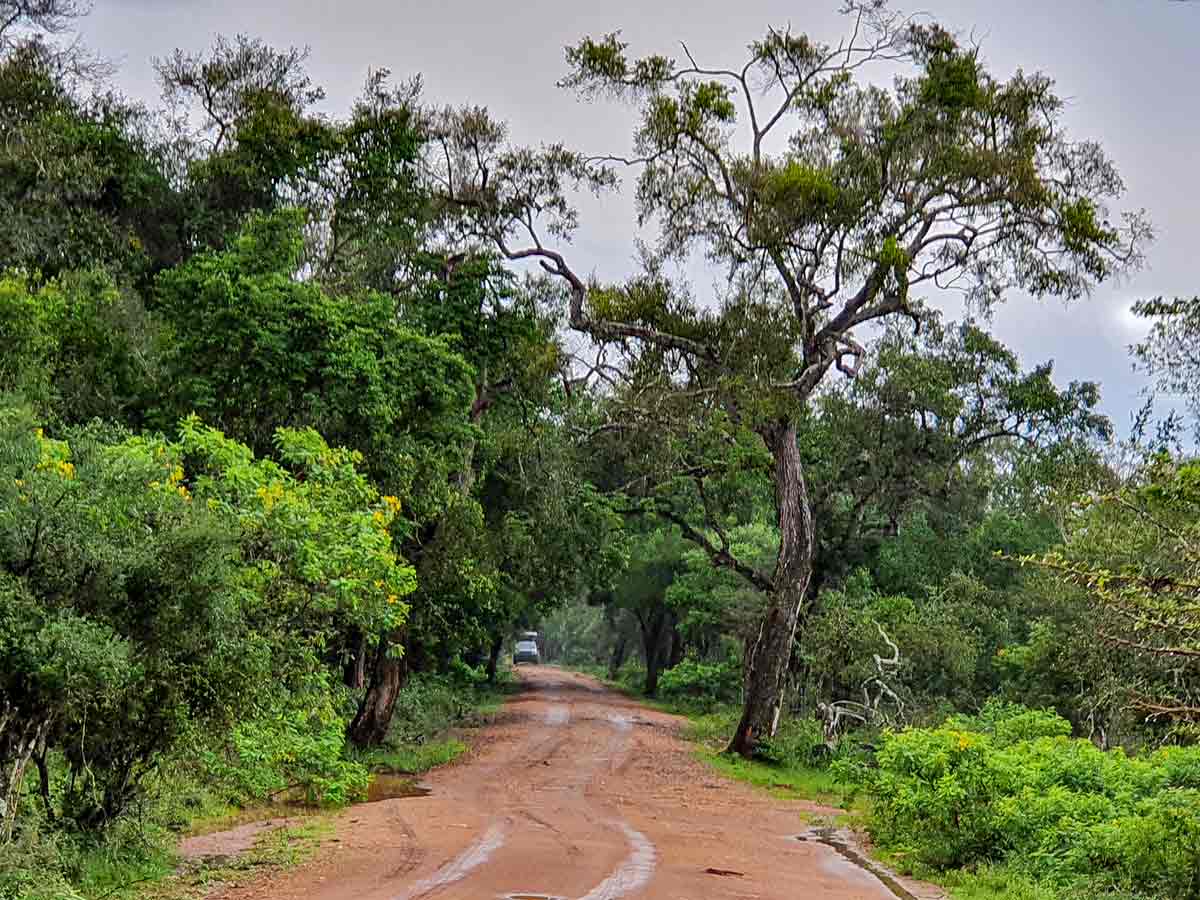
Due to its remote and less crowded nature, Wilpattu offers a quieter and more immersive safari experience. Safaris take place through dense forest tracks, open grassland patches, and around villus where animals gather, especially during the dry season.
Park planning
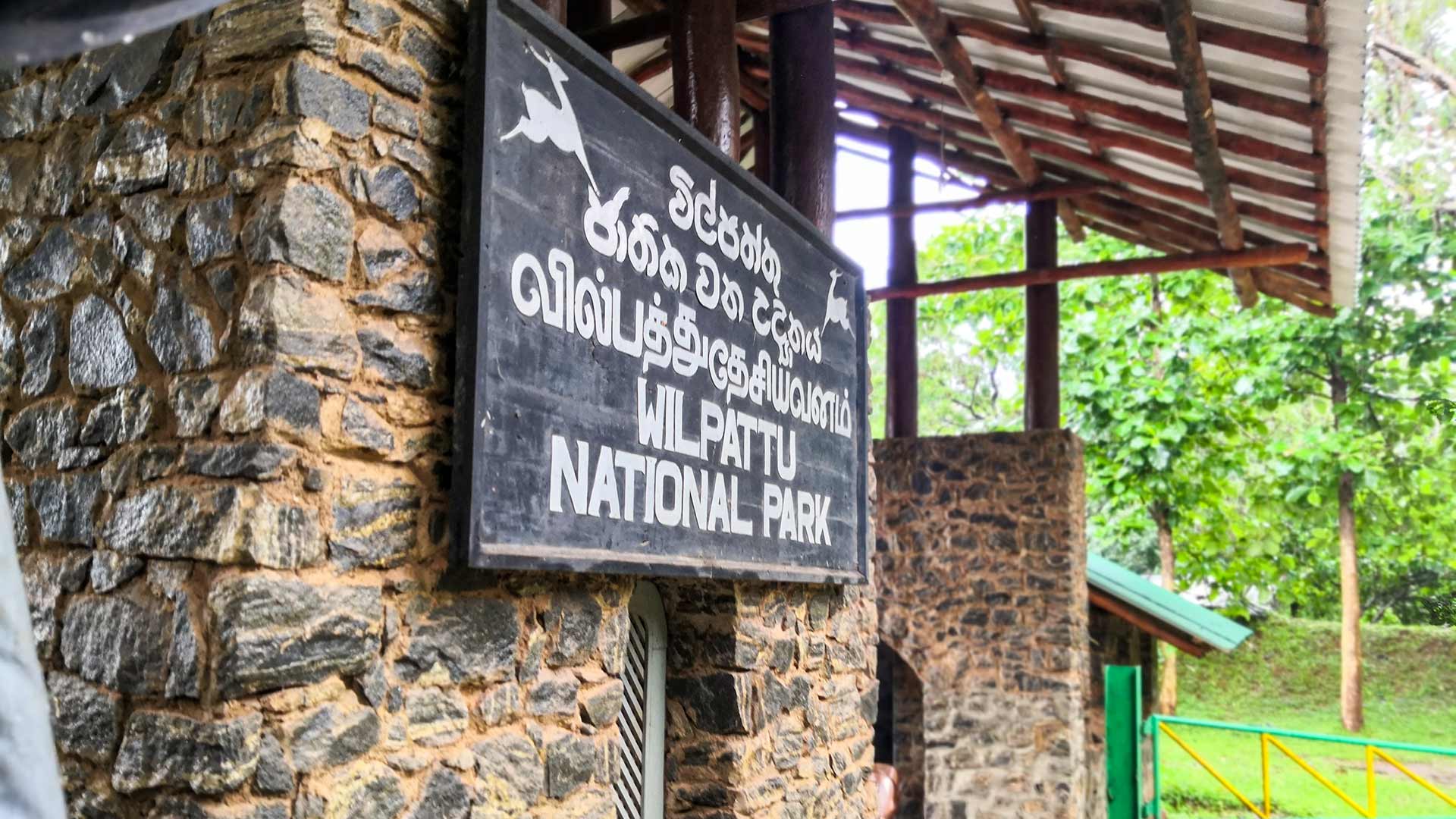
Park entry and safari planning
Check the correct entry area, current park conditions, and local safari arrangements before travelling.
- Wildlife and park conditions
- Year-round; check current weather, road, and park conditions
- Park fees and entry
- A DWC permit and the current prescribed entrance fee are required. Confirm current fees, opening hours, and safari-vehicle arrangements before visiting.
Location
Puttalam & Anuradhapura Districts, North Western Province
Getting to the park
- From Colombo (~185 km • ~5 h)
Choose an entry approach
Select a marker to open that location in Google Maps.
Park safety
Review these park-specific safety notes before visiting
- Remain inside the safari jeep at all times - wildlife can be unpredictable.
- Do not feed or approach animals under any circumstances.
- Carry sufficient water - the park can be hot and dry.
- Mobile signal is weak or unavailable in most parts of the park.
- Follow all park regulations and guide instructions strictly.
Travel Tips
- Wilpattu's large area and forested routes can provide a spacious safari experience, but visitor levels and sightings vary.
- Treat every wildlife sighting as uncertain and avoid operators that promise a leopard or sloth bear encounter.
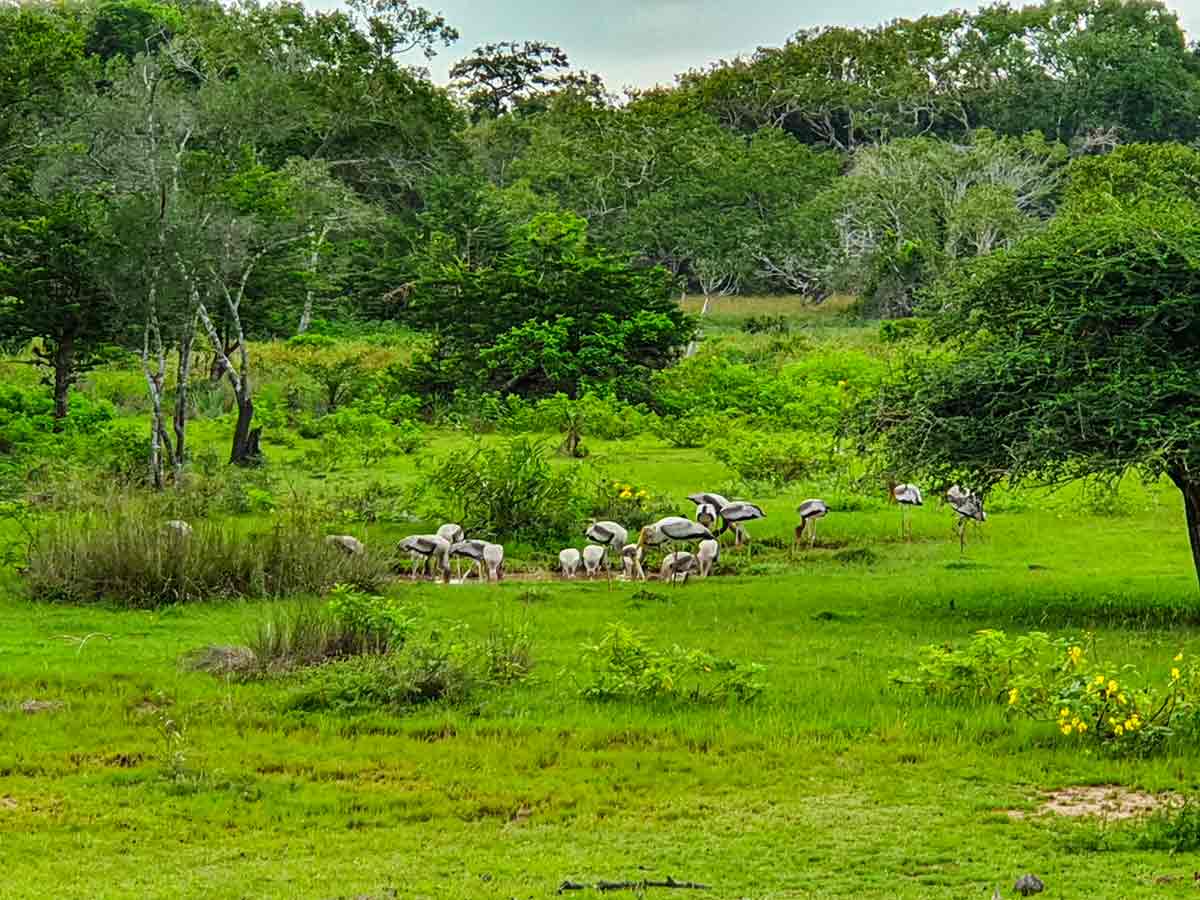
- Carry binoculars for birdwatching around villus and wetlands.
- Fuel up and carry essentials - facilities inside the park are minimal.
- Confirm current fees, opening hours, permits, road conditions, and vehicle rules with the DWC or park staff.
Gallery
Where to go next
Continue planning
These suggestions use reviewed itineraries, routes, and travel groupings. Map closeness alone does not prove direct road or trail access, especially across mountain terrain. Check each guide's Access section before combining stops.