
Yala National Park
A major southeastern wildlife reserve with dry forest, scrub, wetlands, lagoons, coastline, and habitat for leopards, elephants, and many bird species.
At a glance
Plan your park visit
Check access, park conditions, and current entry guidance before arranging a visit.
Travel distance
Access difficulty
Best wildlife conditions
Park entry
Overview
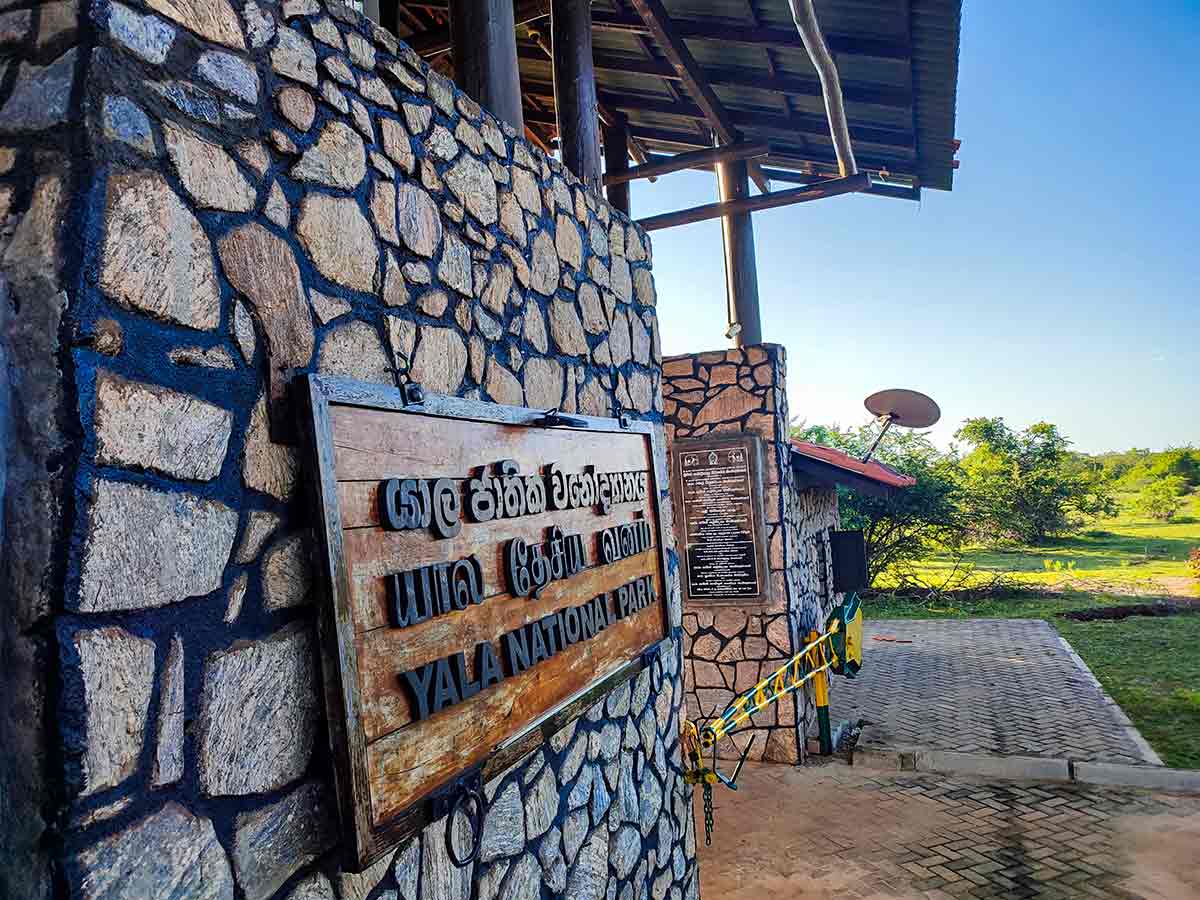
Yala National Park protects a broad area along Sri Lanka's southeastern coast. It is one of the country's best-known safari destinations, but visitor access is limited to the blocks, roads, entrances, and periods made available by the Department of Wildlife Conservation.
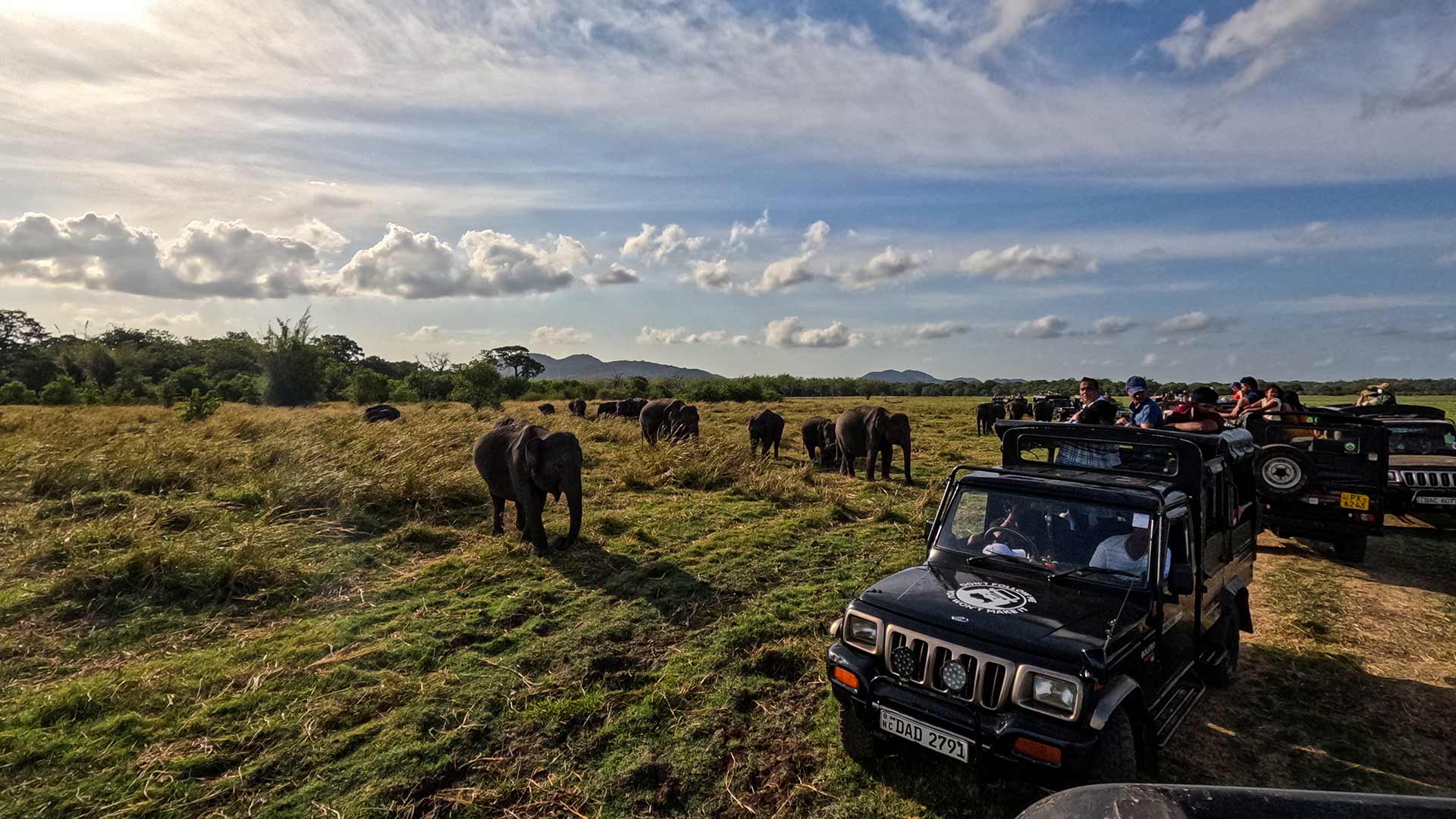
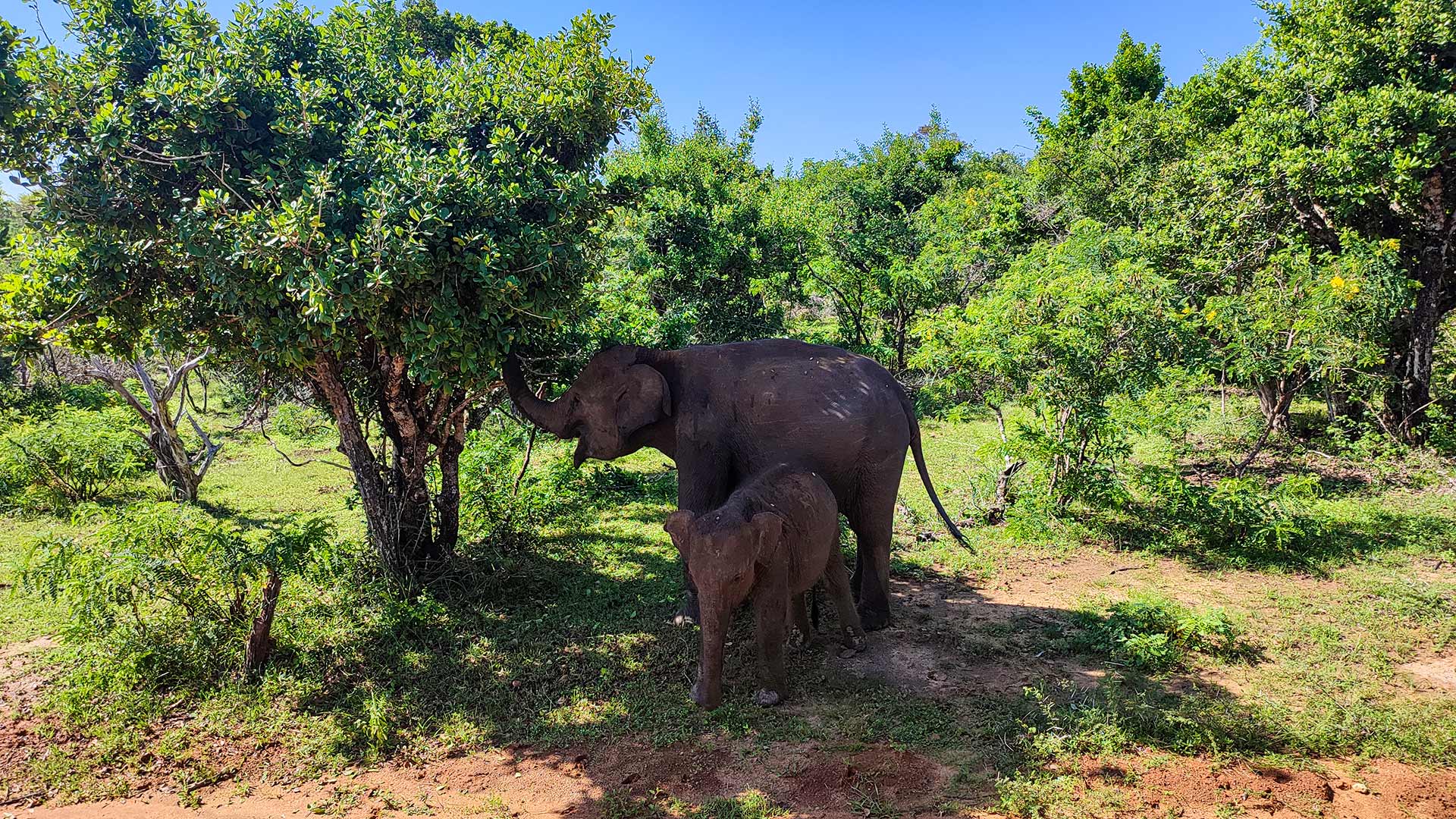
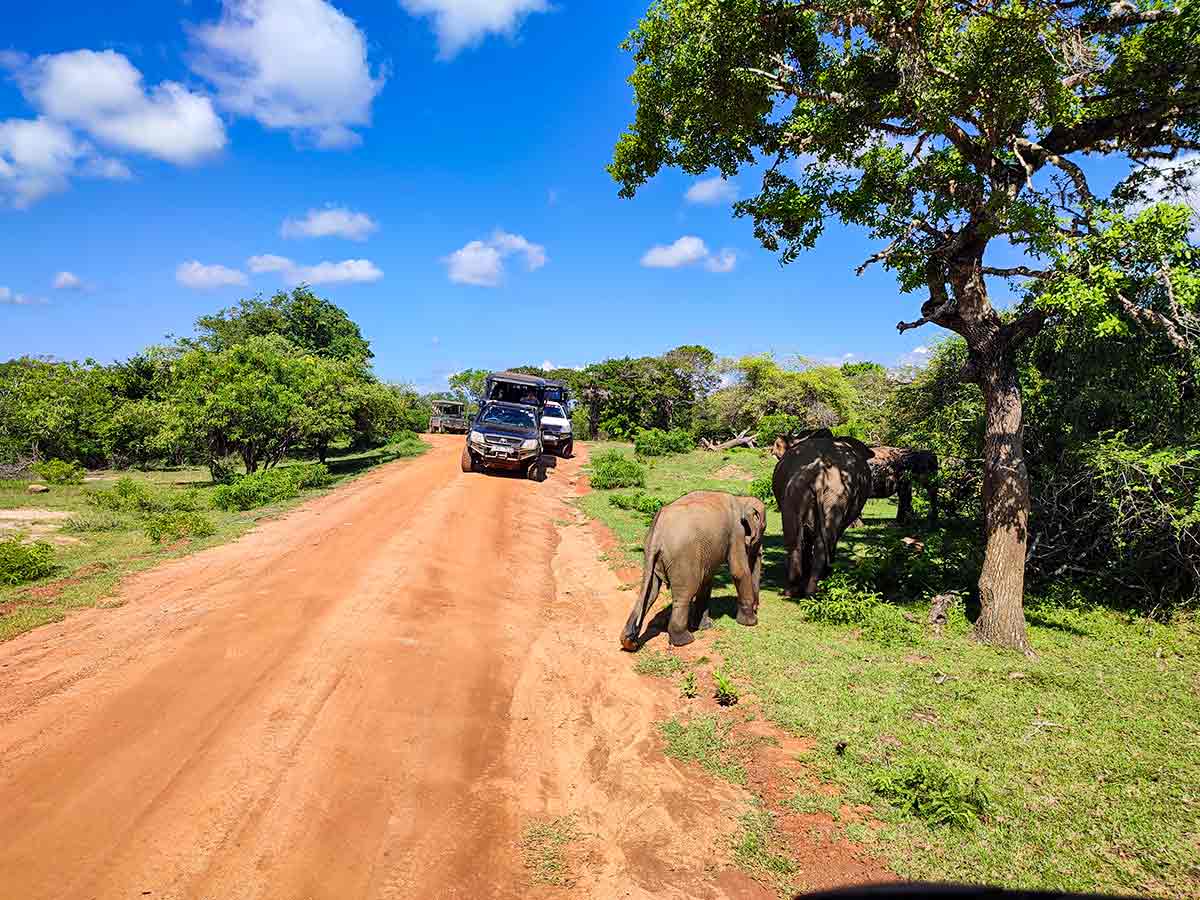
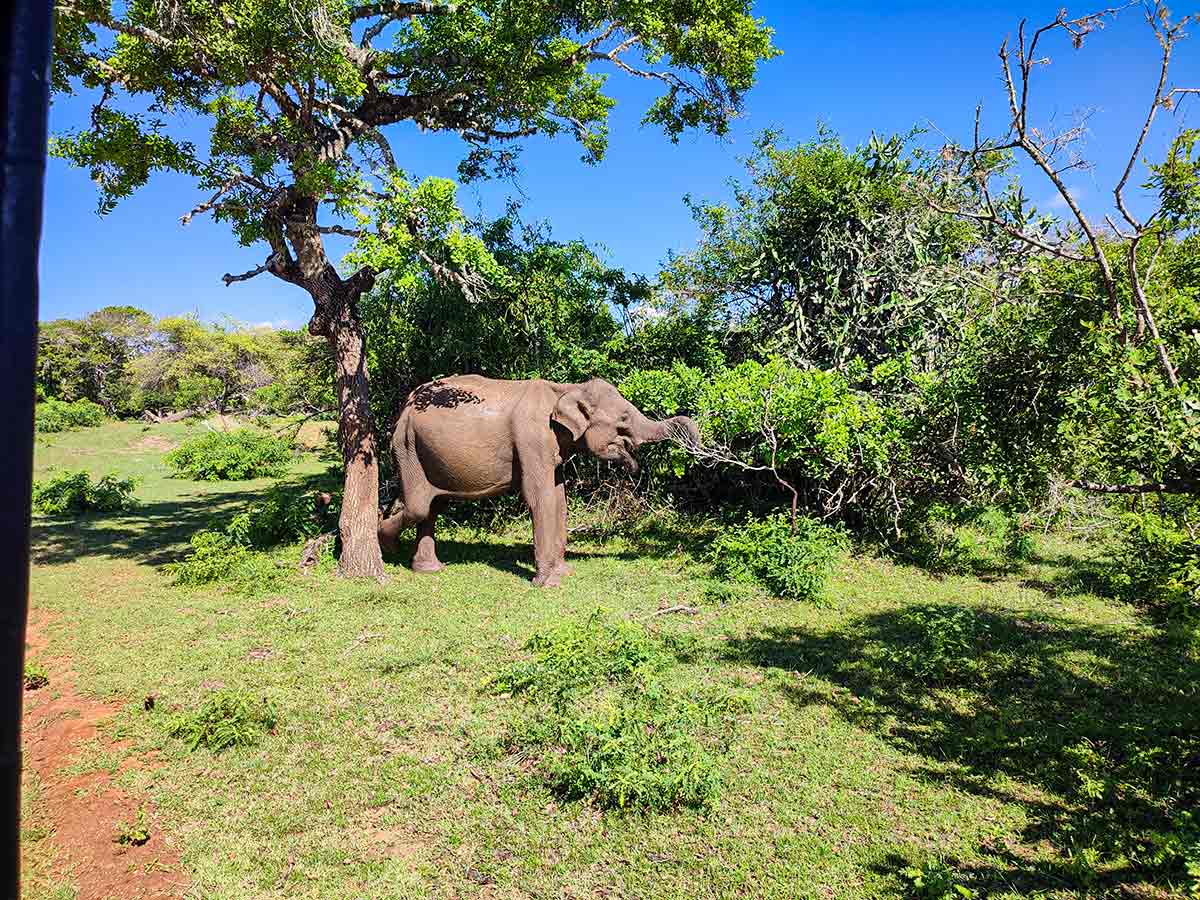
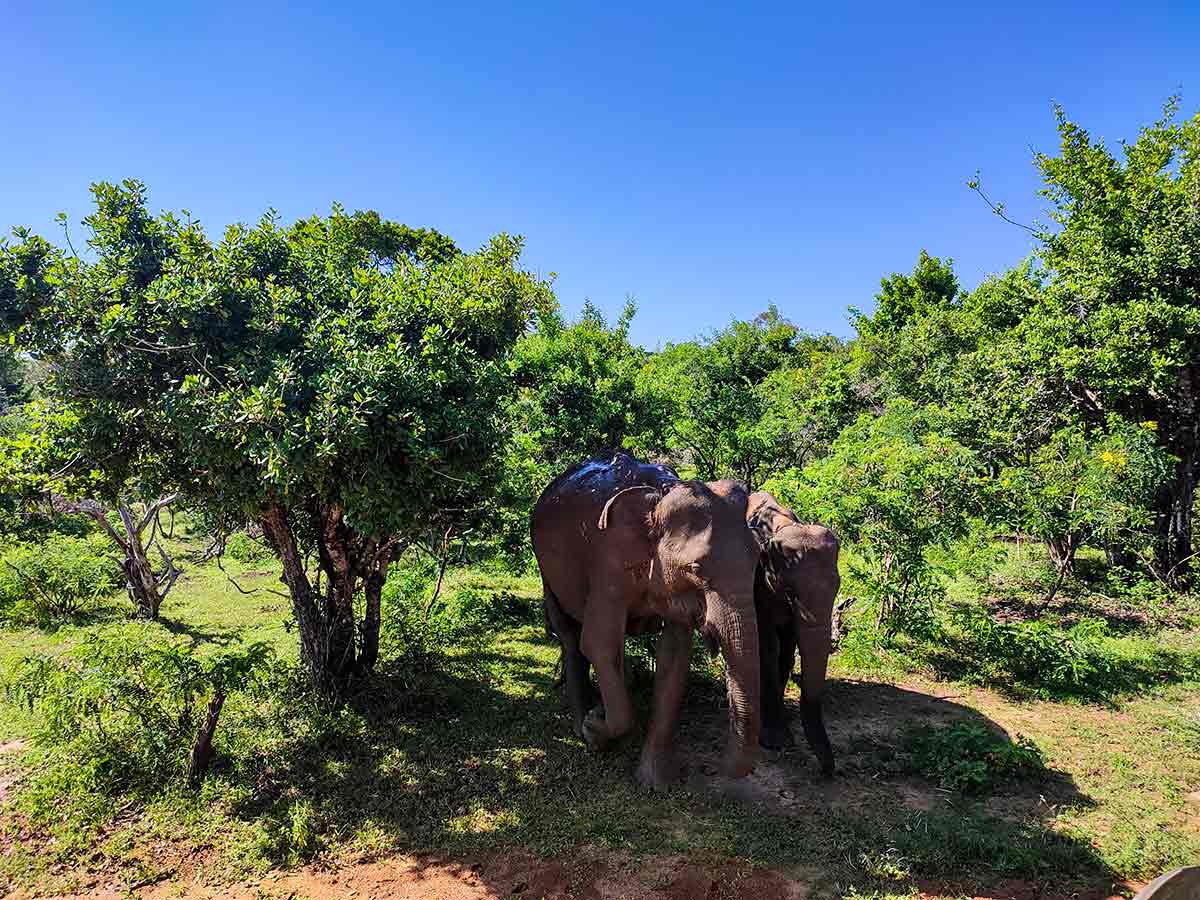
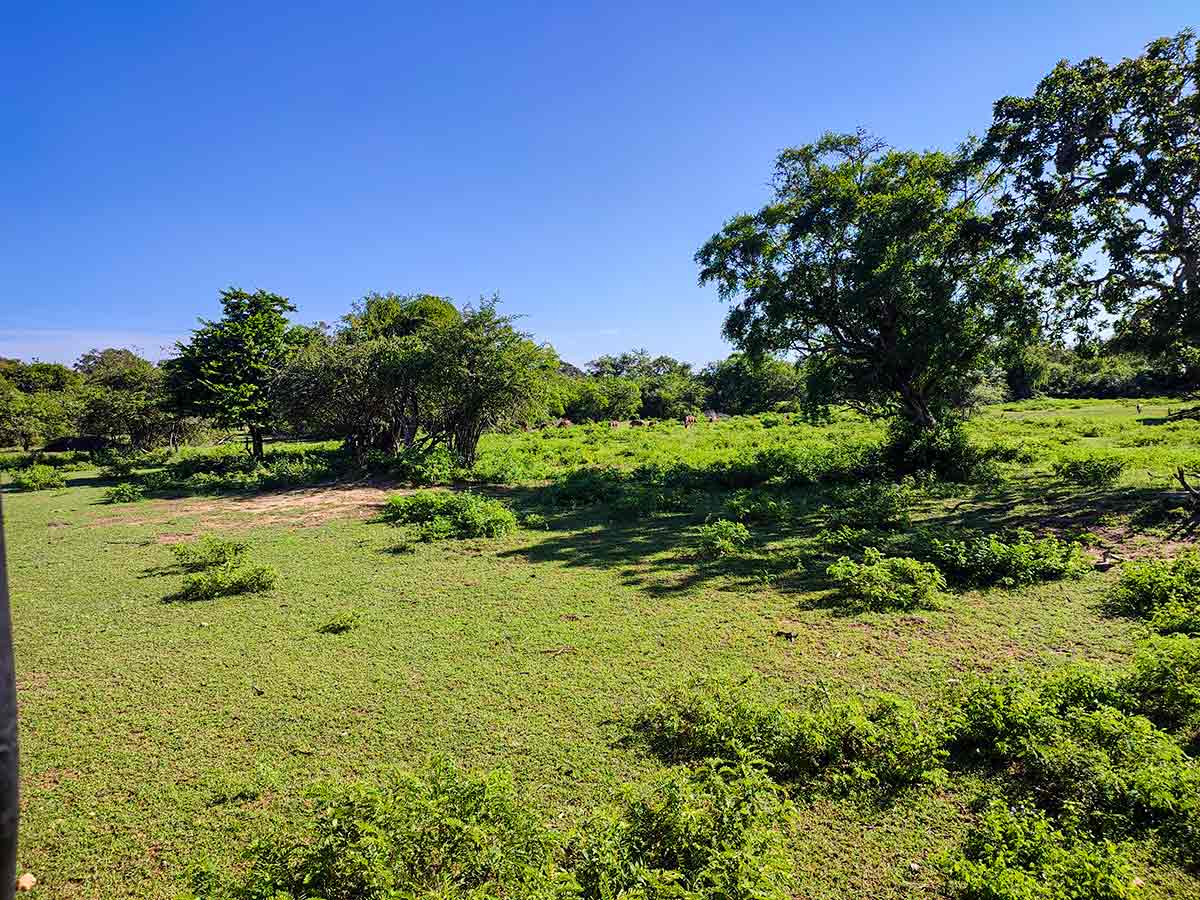
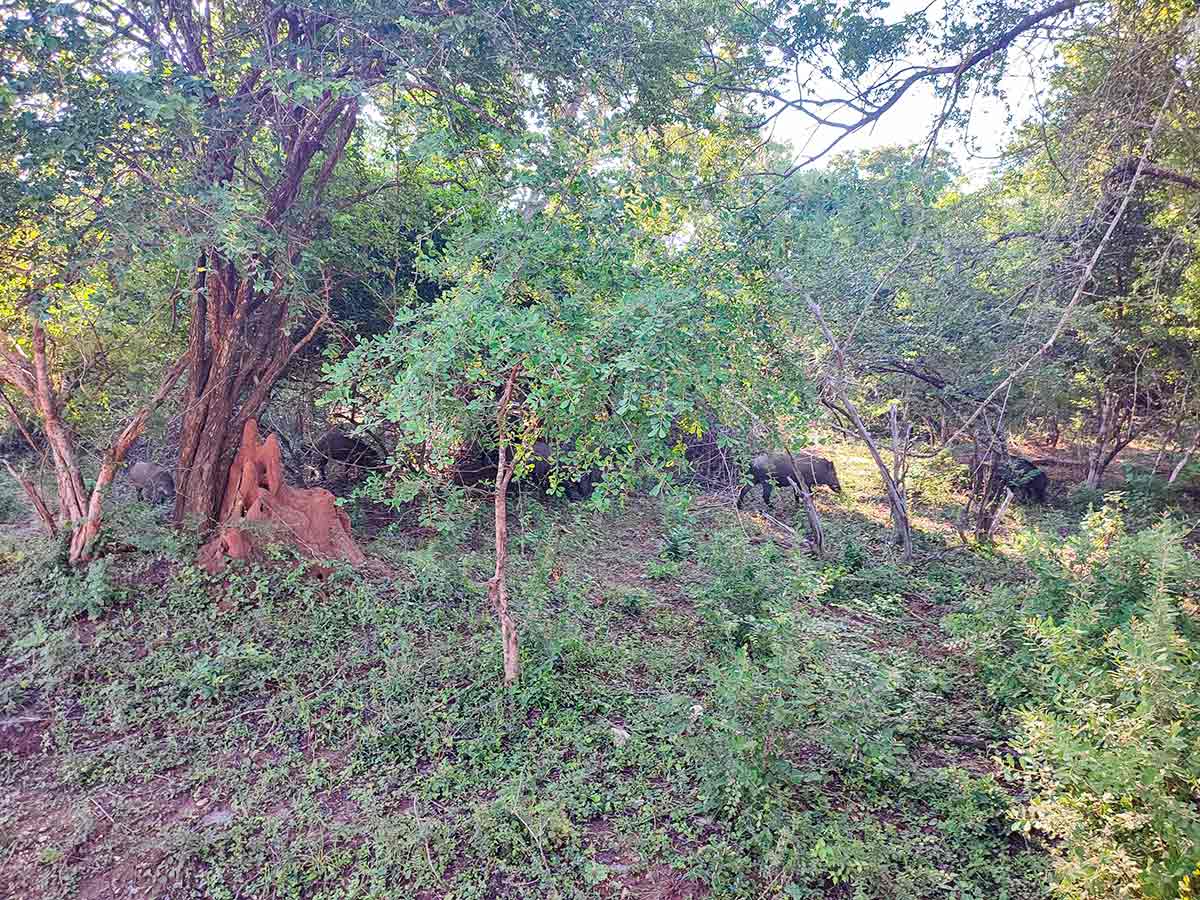
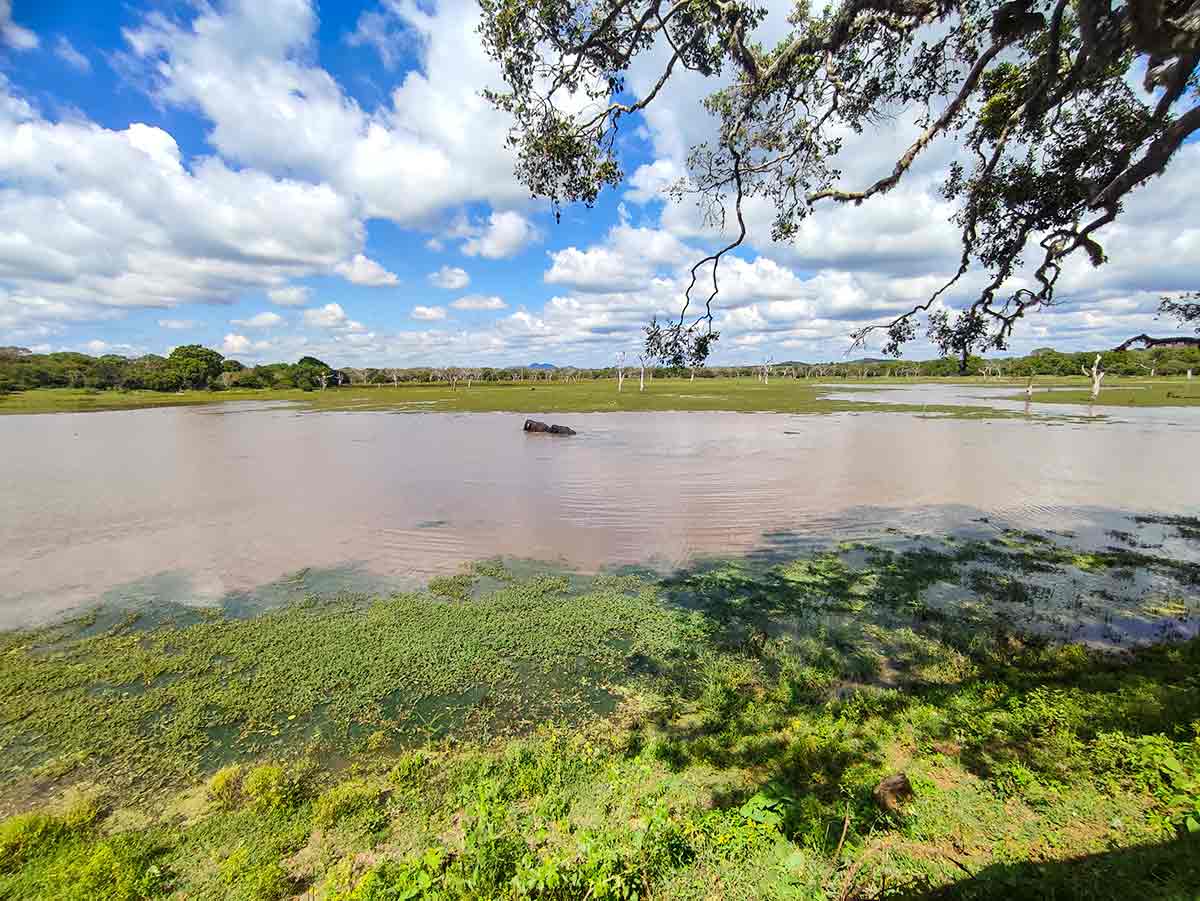
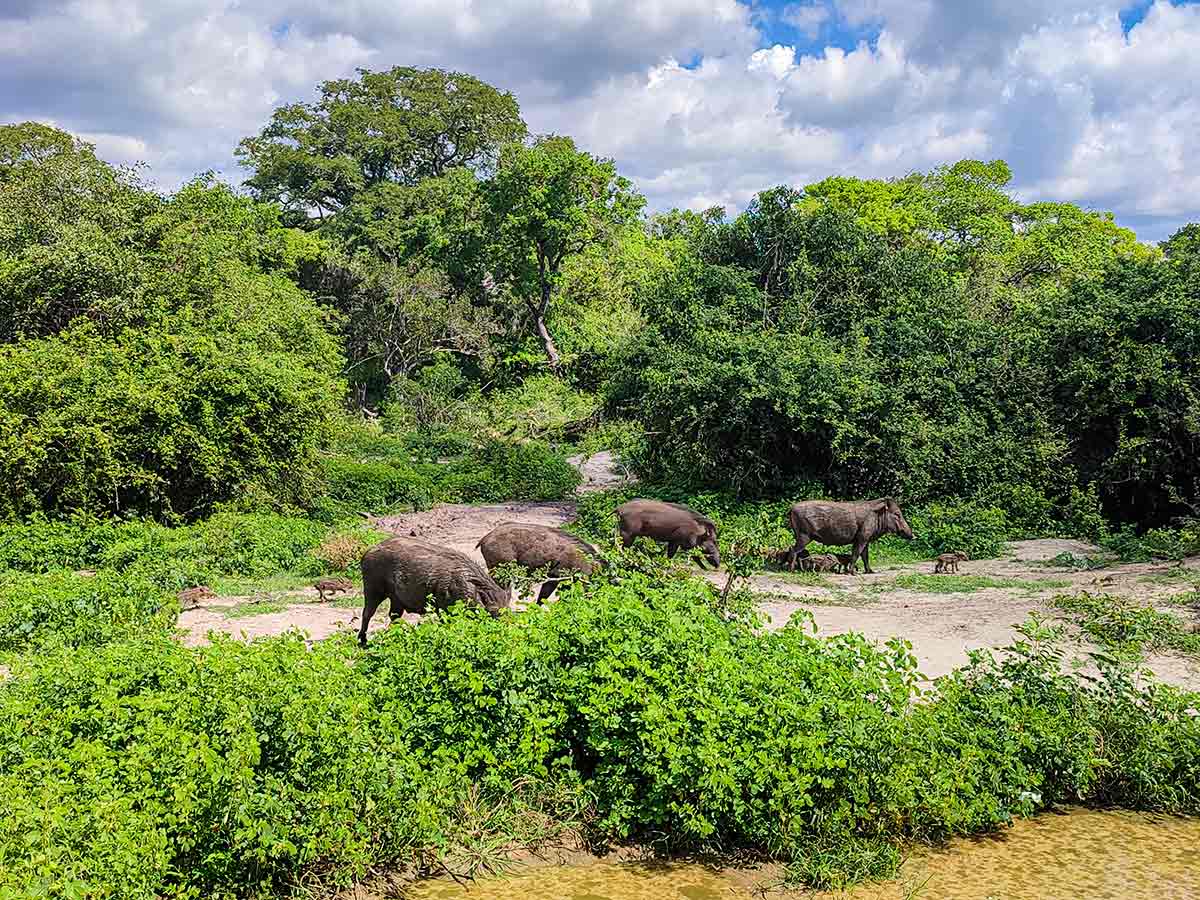
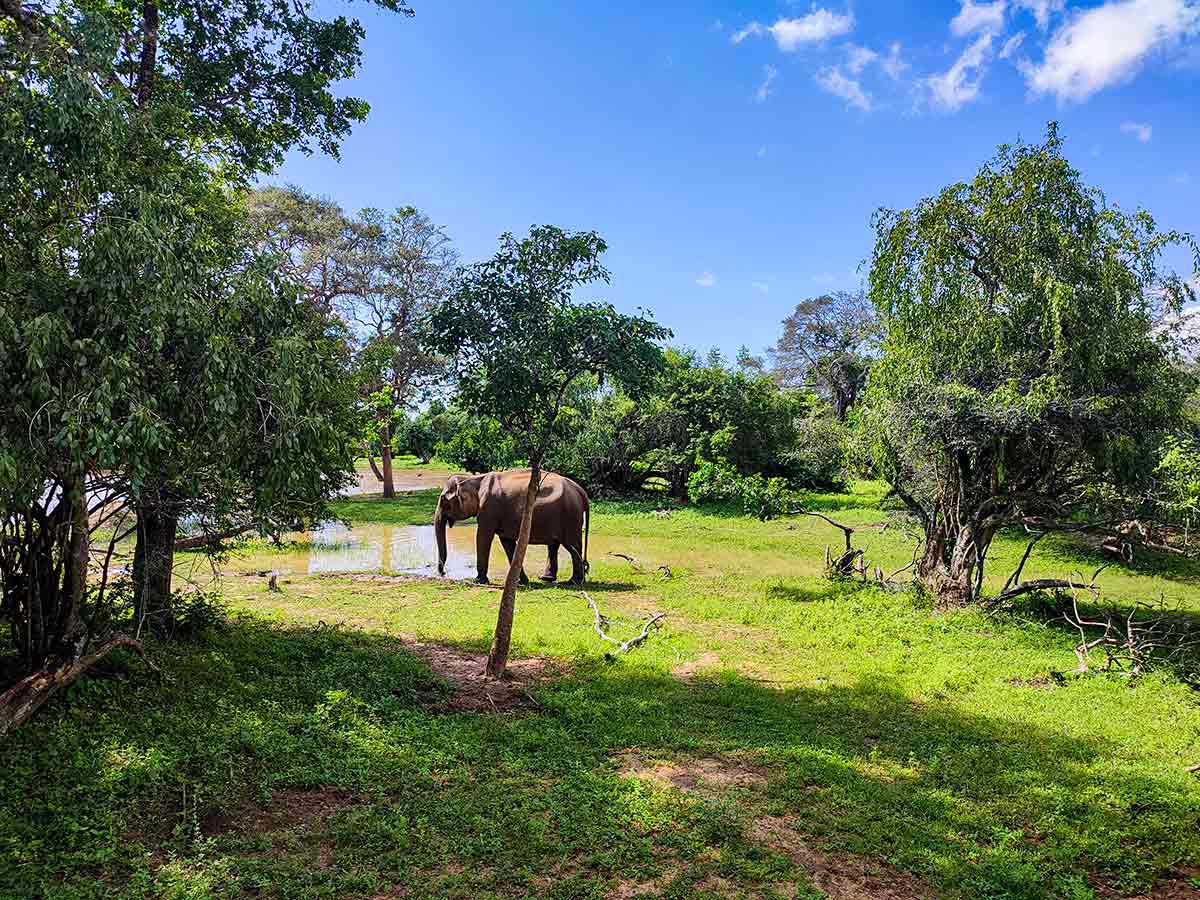
The park contains dry monsoon forest, scrubland, grassland, freshwater areas, coastal lagoons, and shoreline. This variety supports leopards, elephants, sloth bears, mugger crocodiles, water buffalo, and many resident and migratory birds. Dense vegetation, animal movement, weather, traffic, and chance all affect what visitors actually see.
The wider protected landscape also contains ancient religious and archaeological places. Access to individual sites depends on current park arrangements, so visitors should follow the route and instructions given by park staff rather than planning an independent detour.
Different blocks and entrances provide access to different parts of the landscape. Rivers, lagoons, tanks, and seasonal waterholes influence wildlife movement, while block access and temporary closures can change the practical safari plan.
Visitor access is managed under current park permits, block access, and safari-vehicle rules. Wildlife activity changes with weather, water, season, and disturbance, so leopard, elephant, and sloth bear sightings are never guaranteed. Visitors should choose operators that follow park rules and give animals space rather than chasing or surrounding them.
Park planning
Park entry and safari planning
Check the correct entry area, current park conditions, and local safari arrangements before travelling.
- Wildlife and park conditions
- Year-round; check current block access, closures, and seasonal conditions
- Park fees and entry
- A DWC permit and the current prescribed entrance fee are required. Confirm current fees, opening hours, accessible blocks, and safari-vehicle arrangements before visiting.
Location
Hambantota District, Southern Province
Getting to the park
- From Colombo (~237 km • ~5 h)
Choose an entry approach
Select a marker to open that location in Google Maps.
Park safety
Review these park-specific safety notes before visiting
- Remain inside the safari vehicle except at a place where park staff explicitly permit visitors to leave it.
- Do not feed or approach wildlife under any circumstances.
- Follow guide instructions - animals in Yala are wild and unpredictable.
- Block access and temporary closures can change - confirm current conditions directly before planning.
- Carry water and sun protection - temperatures can be high in open areas.
Travel Tips
- Choose an experienced operator that follows park rules and does not promise or chase wildlife sightings.
- Wildlife sightings vary by weather, season, water availability, and animal movement; no species is guaranteed.
- Carry binoculars for birdwatching and distant animal sightings.
- Stay overnight in Tissamaharama for early access to the park.
- Confirm current opening hours, accessible blocks, temporary closures, fees, permits, and vehicle rules before travelling.
Gallery
Where to go next
Continue planning
These suggestions use reviewed itineraries, routes, and travel groupings. Map closeness alone does not prove direct road or trail access, especially across mountain terrain. Check each guide's Access section before combining stops.